Exactly How To Review A Peptide Coa Real Vs Fake
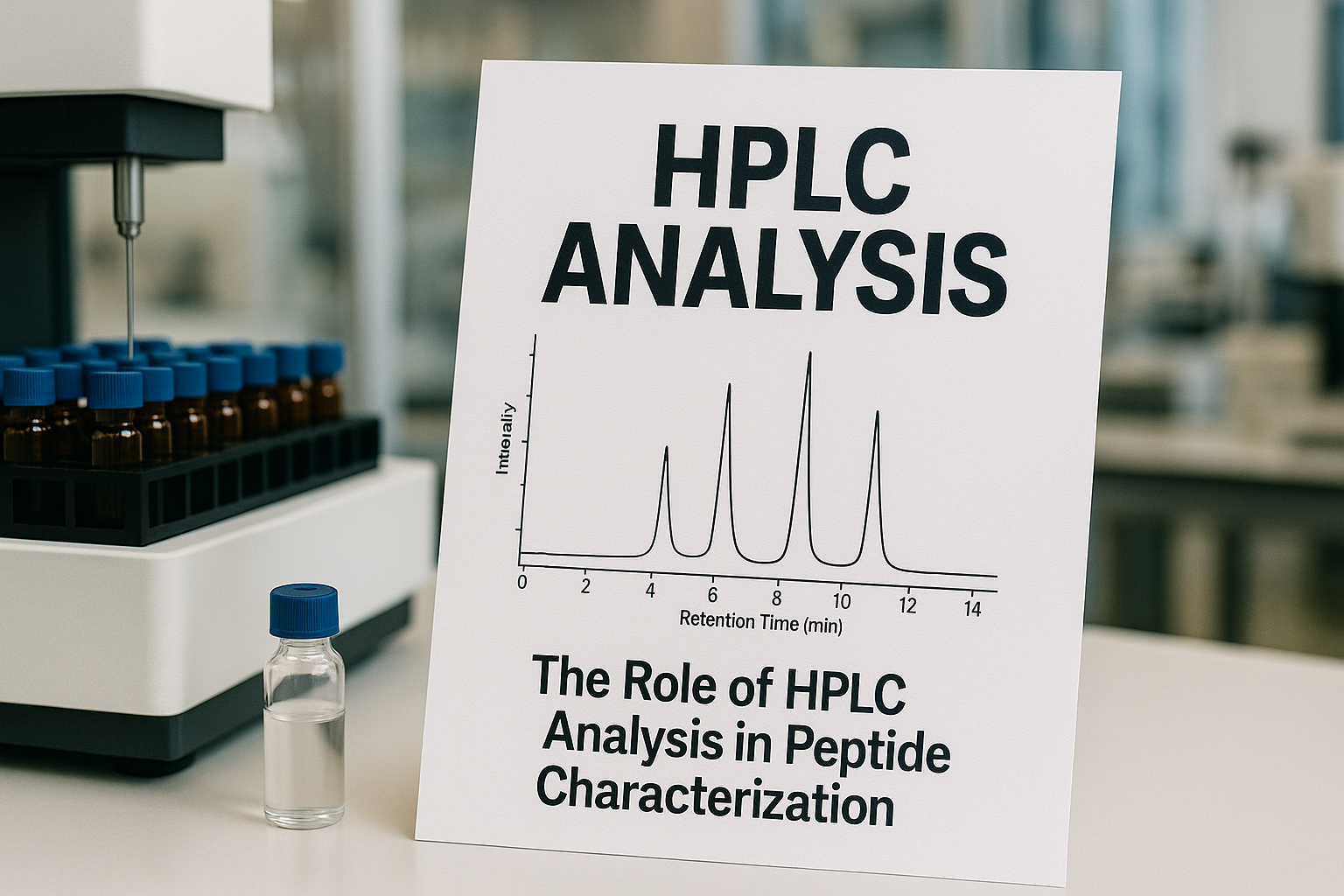
On Peptide Purity When assessing peptide top quality, most individuals focus on purity (HPLC) and identity (mass specification). Those validate you have the correct particle and that it's reasonably tidy from peptide-related results. High-Performance Liquid Chromatography (HPLC) is the basic method for quantifying peptide pureness. BOC Sciences provides multi-batch contrast analysis to assist clients develop raw material quality requirements and make sure consistency. High-Performance Liquid Chromatography, or HPLC, is a lab testing technique made use of to ensure a peptide is clean, pure, and exactly what it claims to be. When Helpful site peptides like BPC-157 or SS-31 are made, HPLC is just one of the most essential devices scientists use to validate their high quality. However these COAs frequently originate from the vendor's own screening, producing a noticeable dispute of passion. Even when suppliers claim third-party screening, verifying those insurance claims calls for initiative most customers don't make. Scientists commonly examine mass spectrometry results along with HPLC data to develop a more complete understanding of item high quality. As the study peptide market remains to grow, comprehending exactly how peptide purity testing functions can assist scientists make even more educated sourcing choices and far better examine provider openness. Pollutants aren't just inactive fillers; they can proactively hinder your work.
- Always examine that your peptide features proper logical information (HPLC chromatogram and MS outcomes) and is classified for research study usage.
- Reliable peptide testing laboratories will certainly use a collection of modern logical methods-- HPLC combined with MS is a must, and availability of added methods like capillary electrophoresis or amino acid analysis is an incentive.
- Peptides, with long molecular series and diverse conformations, existing challenges for framework verification and material resolution.
- See our post on comprehending COAs for research peptides for examples using actual COA structures.
Hplc And Mass Spectrometry
Purity information is commonly included within a peptide Certificate of Analysis. For several customers, analytical documentation is a key component of supplier choice. Physical qualities and peptide structure can affect dissolution habits independently of pureness. While higher pureness portions are frequently preferred, purity needs to not be examined alone.What Various Other Tests May Add
Explore our brochure to watch confirmed research substances and discover more about our testing and quality control procedure. Vendor COAs originate from the seller, developing possible problem of passion. Third-party testing utilizes independent research laboratories with no financial risk in the results. Third-party outcomes are naturally much more reliable because the testing lab has no reward to misrepresent findings. Independent verification confirms or negates supplier claims. For those adhering to peptides for skin tightening methods, validated items make sure the method obtains fair examination.Where can I send my peptides to test for pureness?
ACS Peptide Checking Labs is an expert peptide evaluation laboratory that accepts samples from all 50 states. Whether you require to test peptide pureness, verify a supplier''s Certification of Evaluation, or run comprehensive contaminant screening, our lab supplies quickly, exact results with in-depth reporting.
What Hplc Can Not Verify Alone
Likewise, keep in mind that "research-grade" peptides are indicated for the laboratory bench and include high pureness and identity checks yet are not created as medicines. Constantly examine that your peptide features proper analytical information (HPLC chromatogram and MS outcomes) and is identified for research study usage. Equipped with this expertise, you can with confidence analyze labels like "95% purity, research grade" and make use of those peptides to drive your experiments without confusion. The pureness of peptides is figured out making use of logical techniques such as reversed-phase high efficiency liquid chromatography (RP-HPLC) and mass spectrometry (MS). Amino acid analysis can additionally be used to calculate yield or actual amount of peptide. Peptide pureness testing is among the most vital parts of study peptide quality control. Peptides and their impurities have different hydrophobicities and as a result invest different quantities of time interacting with the C18 fixed stage prior to eluting right into the detector. A lot more hydrophilic compounds elute early (reduced retention time); even more hydrophobic substances elute later (high retention time). The target peptide elutes at a particular retention time, and pollutants elute at different times-- separating them spatially on the chromatogram. In the usual peptide COA context, optimal pureness normally refers to the percent of overall chromatogram location stood for by the major peptide optimal. It is an area-percent purity dimension, not a full identification or activity test. Peptide screening is effective, but scientists need to read the extent of each technique very carefully.